Building A Geospatial Care-Navigation Platform For Developmental Disability Services
Project period: 2025-2026 KiNDD platform build.
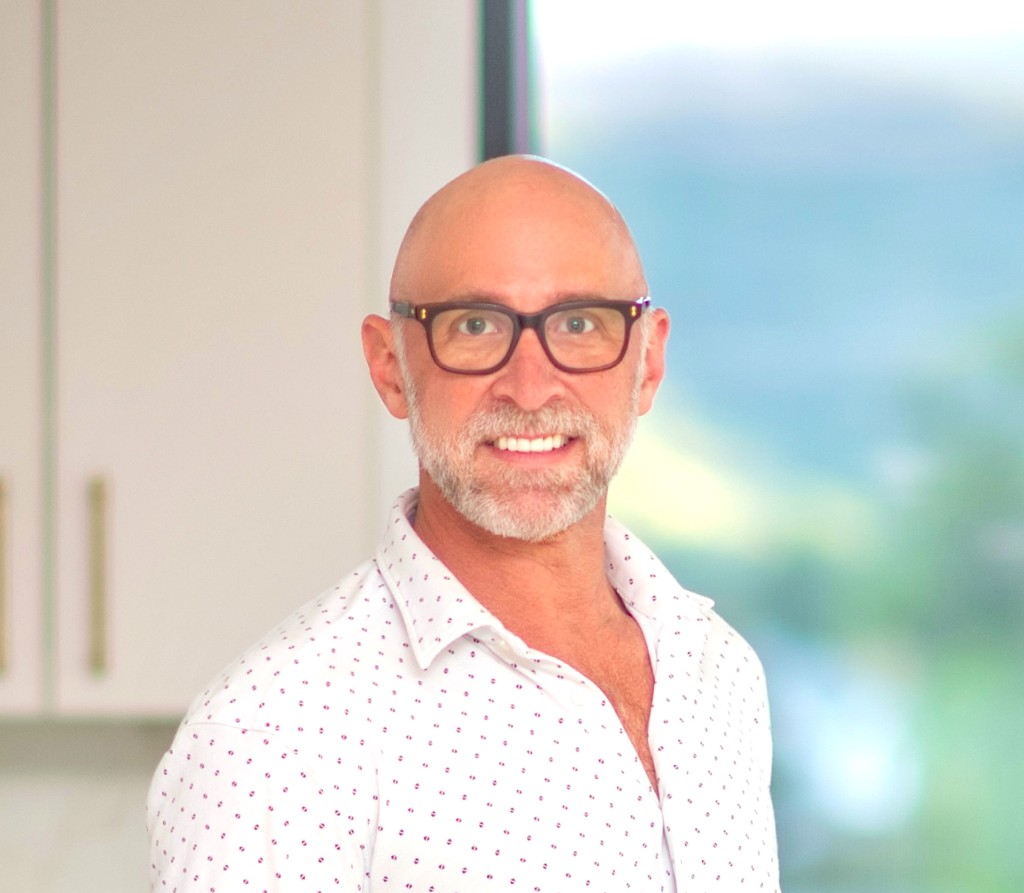
I'm Alex Beattie, a Forward Deployed Engineer at McKinsey & Company. I work on a QuantumBlack life sciences engagement, building production LLM and agent systems directly with the client team.
Before McKinsey I was an Agentic AI Software Engineer at Technia, building AI tooling and client-facing applications on top of PLM systems. At Ourself Health I led AI and backend engineering and architected Stella, a production AI assistant on AWS Bedrock with tool-enabled agents, retrieval, persistent memory, safety controls, and streaming.
I also founded KiNDD, a nonprofit app that helps families in Los Angeles County find autism and developmental disability services. It's live on the App Store. I'm the software engineer on a UCLA and Dup15q Alliance team that received one of Anthropic's AI for Science rare disease research grants.
Start here:
Project period: 2025-2026 KiNDD platform build.
Project period: 2025-2026 founder/engineer work.
Project period: 2025-2026 KiNDD AI/RAG build.
A visual deep-dive into running Celery workers as separate ECS containers — broker topology, task lifecycle, concurrency models, and the Beat scheduler gotcha.
I have 268 markdown files in my Obsidian vault – internal docs, architecture decisions, API specs, meeting notes. Searching them with Obsidian’s built-in sea...